
Cowboy Boot Fit Guide: Finding Your Perfect Pair
Navigating cowboy boot sizing can be tricky! This guide helps you discover the ideal fit, considering shoe size, width, and sock thickness for ultimate comfort.
Explore size charts from brands like Ariat, Corral, and Justin to ensure a perfect match, avoiding common issues like heel slippage or toe cramping.
Understanding Cowboy Boot Sizing Differences
Cowboy boot sizing diverges significantly from standard shoe sizing, presenting a unique challenge for shoppers. Unlike typical footwear, boots aren’t consistently sized across brands, and even within a single brand, variations can occur.
Western boots often run larger in size, meaning your usual shoe size might not translate directly. This is due to the boot’s construction and intended use. Furthermore, sizing can differ between men’s and women’s boots.
Understanding these discrepancies is crucial for a comfortable fit. Always consult specific size charts provided by the manufacturer, and consider factors like sock thickness when determining your ideal boot size.

Converting Shoe Size to Boot Size
Converting your shoe size to a cowboy boot size isn’t a simple one-to-one exchange. Generally, it’s recommended to go down a half to a full size when transitioning from standard shoes to boots. However, this is a starting point, not a definitive rule.
Factors like the boot’s toe shape – round, square, or pointed – influence the fit. A pointed toe may require more room than a round toe. Also, remember that sock thickness impacts sizing; thicker socks necessitate a larger boot size.
Always prioritize measuring your foot (see next section) and referencing the specific brand’s size chart for the most accurate conversion.
Measuring Your Foot for Accurate Boot Size
Accurate foot measurement is crucial for a comfortable cowboy boot fit. Trace your foot on a piece of paper while standing, wearing the socks you intend to wear with your boots. Measure the length from heel to the longest toe – repeat on both feet, as sizes can vary.
Use a ruler or tape measure for precision. Consider measuring at the end of the day when your feet are at their largest. Compare your measurements to a size chart, but remember these are guidelines.
Don’t assume your usual shoe size translates directly; individual boot brands differ!
Cowboy Boot Widths Explained
Cowboy boot widths are essential for comfort, often overlooked! Widths range from narrow (AAA, AA, A) to extra-wide (EE, EEE). A ‘D’ width is generally considered standard for men, while ‘B’ is standard for women. However, this isn’t a universal rule.
Understanding your foot’s width prevents pinching or excessive movement. If you feel pressure on the sides of your feet, you likely need a wider boot. Conversely, if your foot slides around, a narrower width might be better.
Utilize width charts alongside length to find your perfect fit!
Standard Widths: A, B, C, D, E, EE, EEE
Cowboy boot widths are designated by letters, offering a spectrum of fits. ‘A’ is the narrowest, progressing through ‘B’, ‘C’, and ‘D’ – considered medium for men. ‘E’ and ‘EE’ represent wider options, accommodating broader feet. ‘EEE’ is the widest commonly available size.
These designations aren’t standardized across all brands, so variations exist. Knowing your approximate width is crucial, but always consult specific brand charts. A proper width ensures comfort and prevents blisters or foot fatigue during wear.
Remember: width impacts overall fit significantly!
Determining Your Boot Width
Accurately assessing your boot width is vital for a comfortable fit. Start by measuring the widest part of your foot. Compare this measurement to brand-specific width charts, as sizing varies. If you’re between sizes, consider your foot volume – higher volume often benefits from a wider width.

Pay attention to how your current shoes fit. Do you consistently need wider sizes? Look for pressure points or tightness. A snug, but not constricting, fit is ideal. Don’t hesitate to try on multiple widths to find the best match.
Proper width prevents discomfort and ensures long-lasting wear!
Using Cowboy Boot Size Charts
Cowboy boot size charts are essential tools for finding your perfect fit, as boot sizes differ from standard shoe sizes. Always consult a chart specific to the brand you’re considering – Ariat, Corral, Durango, and Justin all have unique sizing.
Measure your foot length accurately and compare it to the chart’s corresponding boot size. Remember to account for sock thickness! Charts typically list sizes in both US and European measurements; Utilize these resources to minimize returns and maximize comfort.
Finding the right size ensures a pleasurable wearing experience!
Men’s Cowboy Boot Size Charts
Men’s cowboy boot size charts generally correlate with standard US shoe sizes, but variations exist. A typical chart will display US sizes alongside European (EU) sizes and foot length in inches or centimeters. For example, a US size 8 often corresponds to a 41 or 41.5 EU size and a foot length around 7-7.5 inches.
Referencing a specific brand’s chart is crucial, as Justin, Ariat, and others may differ. These charts often include width options alongside length. Accurate foot measurement is key; compare your measurement to the chart to determine your ideal boot size.
Women’s Cowboy Boot Size Charts
Women’s cowboy boot sizing also aligns with standard US shoe sizes, but often runs narrower than men’s boots. Charts typically display US sizes, EU sizes, and foot length measurements. A US size 7 might equate to a 38 or 38.5 EU size, with a foot length around 9-9.5 inches.
Brand-specific charts are essential, as Ariat, Corral, and Durango have unique sizing. Women’s widths are commonly denoted as B (medium), but can range from AA (narrow) to EEE (wide). Precise foot measurement and comparison to the chosen brand’s chart will ensure a comfortable, secure fit.
Considering Sock Thickness
Sock thickness dramatically impacts boot fit. Thin dress socks require a snugger fit than thick winter socks. When measuring your feet, always wear the type of socks you intend to wear with your cowboy boots. Even tights or nylons can add a half size to your foot’s overall volume.
Account for this extra space when consulting size charts. If you plan to wear thick boot socks, consider going up half a size to prevent toe cramping. Prioritizing comfort means factoring in your typical sock choice during the fitting process, ensuring a perfect, all-day fit.

Boot Height and Calf Circumference
Boot height and calf circumference are crucial for comfort and appearance. Standard boot heights vary, influencing how the boot sits on your leg. Measuring your calf circumference ensures a comfortable, non-restrictive fit. Use a flexible measuring tape to determine the widest part of your calf.
Boots with a snug but not tight fit are ideal. Consider the shaft’s material; some stretch over time. If between sizes, opting for a slightly wider calf circumference is generally preferable. A proper fit prevents rubbing and discomfort during extended wear, enhancing your overall experience.
Standard Boot Heights
Standard cowboy boot heights typically range from 12 to 18 inches, though variations exist. 12-inch boots often suit everyday wear and are popular for those preferring a lower profile. 13-15 inch boots represent a versatile mid-height, balancing style and practicality.
16-18 inch boots offer a more traditional, classic look, frequently favored for show or more formal occasions. Height selection depends on personal preference and intended use. Taller boots can elongate the leg, while shorter boots offer greater ankle mobility. Consider your body type and desired aesthetic when choosing the appropriate height.
Measuring Calf Circumference for a Comfortable Fit
Accurate calf circumference measurement is crucial for avoiding discomfort and ensuring a proper fit. Use a flexible measuring tape and measure around the widest part of your calf, typically a few inches below the knee, while wearing the socks you intend to wear with your boots.
Ensure the tape is snug but not overly tight. Record the measurement in inches. Many boot descriptions list the boot’s calf circumference; compare this to your measurement. If your calf falls between sizes, consider boots with adjustable straps or a wider shaft for a more comfortable experience.
Toe Shape and Fit
Toe shape significantly impacts comfort and style. Round toe boots offer the most room, accommodating wider feet and providing all-day comfort. Square toe boots provide more space than pointed toes, favored for their classic look and enhanced mobility.
Pointed toe boots, while stylish, generally offer less toe room and may require a longer break-in period. When trying on boots, ensure your toes aren’t cramped and have enough wiggle room. Consider your foot shape and intended use when selecting a toe style for the perfect fit.
Round Toe Boots
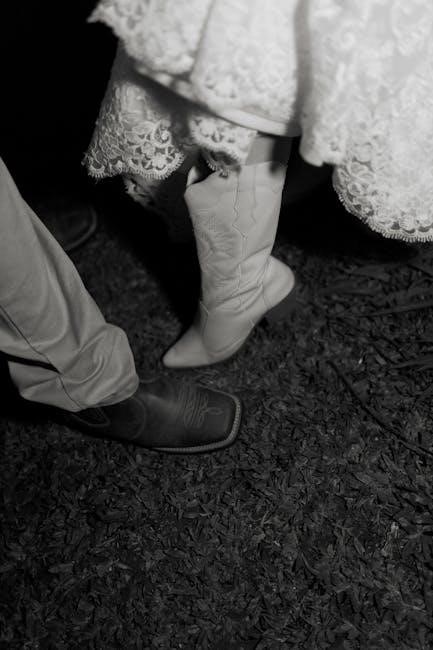
Round toe cowboy boots are renowned for their exceptional comfort, making them an excellent choice for extended wear. This classic style offers the most generous toe box, accommodating a wider range of foot shapes and sizes without constriction.
They’re particularly well-suited for individuals with broader feet or those prioritizing all-day comfort. The rounded shape allows toes to splay naturally, reducing pressure and minimizing discomfort. Round toe boots are versatile, pairing well with various outfits and suitable for both work and casual occasions, offering a timeless aesthetic.
Square Toe Boots
Square toe cowboy boots present a modern and stylish alternative, offering a unique balance between comfort and a distinctive look. The squared-off toe shape provides more room than pointed toe boots, but generally less than round toe options.
This design often appeals to those seeking a contemporary aesthetic while still desiring adequate toe space. Square toe boots are a popular choice for individuals who prefer a bolder statement and appreciate a slightly more refined silhouette. They’re versatile enough for both everyday wear and more dressed-up occasions, offering a blend of fashion and functionality.
Pointed Toe Boots
Pointed toe cowboy boots represent a classic and traditional style, often favored for their sleek and sophisticated appearance. These boots typically offer a narrower fit in the toe box compared to round or square toe designs.
While visually striking, it’s crucial to ensure adequate toe room to avoid discomfort during extended wear. Pointed toe boots are frequently chosen for formal events or by those who appreciate a more refined and streamlined aesthetic. Consider your foot shape and prioritize comfort when selecting this style, as a too-tight fit can lead to cramping.
Break-In Period and Boot Stretching
Cowboy boots, particularly those made from genuine leather, often require a break-in period to achieve optimal comfort. Initially, they may feel stiff and cause some discomfort. Consistent, short wearing sessions are key to gradually molding the leather to your foot’s unique shape.
Boot stretching can also aid this process, especially in areas prone to rubbing or tightness. Professional boot stretchers can widen or lengthen boots, while home remedies like boot stretchers or wearing thick socks can offer milder adjustments. Patience is vital; a well-broken-in boot is a lasting investment!
Common Fit Issues and Solutions
Heel slippage is a frequent complaint, often resolved with thicker socks or heel grips. These inserts reduce the gap between your heel and the boot’s back, preventing unwanted movement and blisters. Toe cramping, conversely, suggests boots are too narrow; consider stretching the toe box or opting for a wider width.
Persistent discomfort could indicate an incorrect size or shape. Don’t hesitate to consult a professional boot fitter for personalized advice; Addressing fit issues promptly prevents long-term pain and ensures you enjoy your cowboy boots to their fullest potential.
Heel Slippage
Heel slippage occurs when your heel lifts excessively within the boot during walking, causing friction and potential blisters. This is a common issue, especially with new boots. Simple solutions include wearing thicker socks to take up some volume, or utilizing heel grips – adhesive inserts placed inside the boot’s heel counter.
These grips create a snugger fit, minimizing movement. If slippage persists, consider a boot with a tighter heel counter or consulting a boot fitter. Ignoring heel slippage can lead to discomfort and damage to the boot’s structure, so address it promptly!
Toe Cramping
Toe cramping in cowboy boots signifies insufficient space in the toe box, leading to discomfort and potential pain. This often arises from selecting a boot with a narrow toe shape when a wider one would be more suitable. Consider exploring round toe or square toe options if you experience cramping.

Boot stretching can also alleviate this issue, particularly in the toe area. Ensure your socks aren’t overly thick, as they reduce available space. If cramping continues, a professional boot fitter can assess your foot shape and recommend a better-fitting boot. Prioritize comfort to avoid long-term foot problems!
Brand-Specific Sizing Variations
Cowboy boot sizing isn’t standardized; significant variations exist between manufacturers like Ariat, Corral, Durango, and Justin. What fits perfectly in one brand might feel snug or loose in another. Always consult the specific size chart provided by the boot maker before purchasing.
Some brands run narrower or wider, while others have different last shapes impacting overall fit; Reading reviews from other customers can offer valuable insights into a brand’s sizing tendencies. Don’t assume your usual size will be consistent across all brands – careful measurement and chart reference are crucial!
Where to Find Reliable Size Charts (Ariat, Corral, Durango, Justin)
Finding accurate size charts is vital for a perfect cowboy boot fit. Ariat provides detailed charts on their official website, categorized by boot style and gender. Corral offers downloadable charts, often available through retailers like Outback Traders. Durango’s sizing information is readily accessible on their website, alongside helpful fit guides.
Justin boots also feature comprehensive charts on their official site. Always prioritize these brand-specific resources over generic charts. Remember to measure your feet accurately before consulting the chart, and consider variations in width and toe shape for the best results.

Professional Boot Fitting Services
Professional boot fitting offers invaluable expertise for achieving the perfect cowboy boot fit. Benefits include precise measurements, assessment of foot shape, and personalized recommendations considering your intended use. A skilled fitter can identify potential issues – like needing a wider width or specific heel counter – that online charts might miss.
Finding a reputable boot fitter involves seeking out stores specializing in Western wear with experienced staff. Look for fitters who take the time to understand your needs and offer tailored advice. Don’t hesitate to ask about their experience and fitting process to ensure a confident purchase.
Benefits of a Professional Fitting
Professional boot fittings deliver a superior experience compared to self-measurement. Experts accurately assess your foot’s length, width, and volume, identifying unique characteristics. They consider arch support needs and potential pressure points, ensuring long-term comfort and preventing foot fatigue.
A fitter can also advise on appropriate boot height and toe shape for your activities. They’ll guide you through break-in periods and suggest stretching options if needed, maximizing your investment. Ultimately, a professional fitting minimizes the risk of discomfort and ensures a truly personalized fit.
Finding a Reputable Boot Fitter
Locating a skilled boot fitter requires careful consideration. Seek out stores specializing in Western wear with experienced staff. Look for positive customer reviews highlighting knowledgeable and patient service. A reputable fitter will prioritize your comfort over a quick sale, offering honest assessments and multiple fitting options.
Don’t hesitate to ask about their training and experience with various cowboy boot brands like Ariat or Justin. A good fitter will explain the fitting process clearly and address all your concerns. Trust your instincts – a comfortable and confident experience is key!