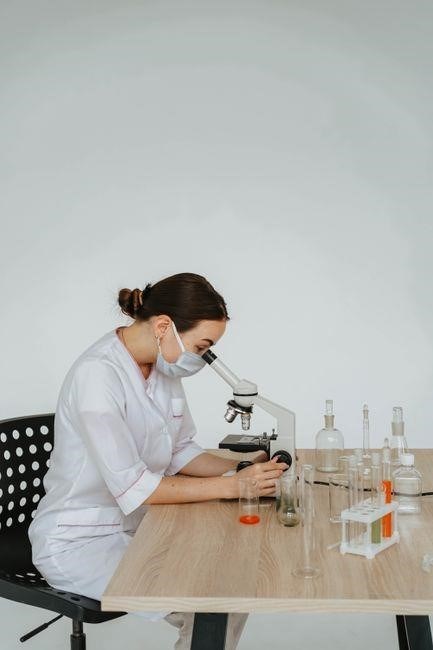
Welcome to the CBSE Class 12 Biology Laboratory Manual, a comprehensive guide offering step‑by‑step procedures, safety protocols, and practical insights. Download the latest NCERT PDF to access detailed experiments and essential lab skills. Follow guidelines for accurate results and safety OK!
Scope and Objectives
The CBSE Class 12 Biology Laboratory Manual is designed to complement the NCERT curriculum by offering a structured approach to laboratory work. Its scope encompasses a wide range of experiments that reinforce theoretical concepts, develop technical proficiency, and foster scientific inquiry. The manual provides step‑by‑step instructions, safety guidelines, and troubleshooting tips for each procedure, ensuring that students can perform experiments confidently and accurately.
Key objectives include: (1) strengthening conceptual understanding through hands‑on practice; (2) cultivating laboratory skills such as sample preparation, measurement, observation, and data recording; (3) promoting critical thinking by encouraging students to analyze results, identify errors, and propose improvements; (4) instilling a culture of safety and responsibility by detailing personal protective equipment, emergency protocols, and proper waste disposal; and (5) preparing students for competitive examinations and future scientific pursuits.
By following the manual, learners gain a holistic view of biological processes, from cellular respiration to DNA extraction, and learn to apply quantitative methods for data analysis. The guide also emphasizes the importance of accurate documentation, ethical conduct, and collaborative teamwork, making it an indispensable resource for both teachers and students in the modern biology classroom. Enhance critical analysis skills.!!
Safety Protocols
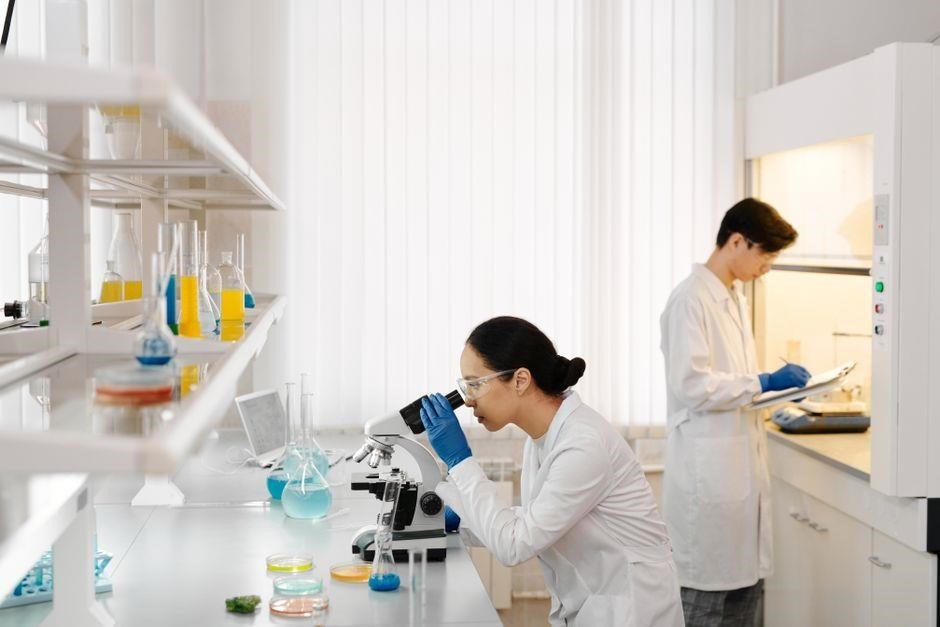
All lab work follows strict safety guidelines. Wear goggles, gloves, and lab coats at all times. Handle chemicals in a fume hood, keep flammable substances away from heat sources, and dispose of waste in designated containers. Follow emergency procedures. Clean spills immediately and notify supervisor. OK
Personal Protective Equipment
In the biology laboratory, personal protective equipment (PPE) is essential to safeguard students and staff from chemical, biological, and physical hazards. The standard PPE ensemble includes a lab coat, safety goggles, nitrile gloves, closed‑toe shoes, and a hair‑net or beard cover. Each item serves a specific protective function and must be worn at all times during experimental work.
Lab coats should be made of flame‑resistant material, such as polyester or a polyester‑polypropylene blend, and must cover the torso and arms fully. Safety goggles or face shields provide eye protection against splashes, aerosols, and particulate matter. Goggles must fit snugly, have side shields, and be cleaned after each session.
Nitrile gloves are preferred over latex for their chemical resistance and reduced allergen risk. Gloves should be sized correctly, inspected for punctures, and changed between different reagents or after handling contaminated samples. Proper glove disposal is mandatory: used gloves go into designated biohazard bags and are autoclaved or incinerated according to institutional policy.
Closed‑toe shoes protect feet from spills and falling objects; they should be slip‑resistant and waterproof. Hair nets, beard covers, and face masks or respirators are required for procedures that generate aerosols or involve volatile compounds. All PPE must be stored after use. Students must also follow institutional guidelines for PPE maintenance and report any defects to the lab supervisor immediately.
Equipment Overview
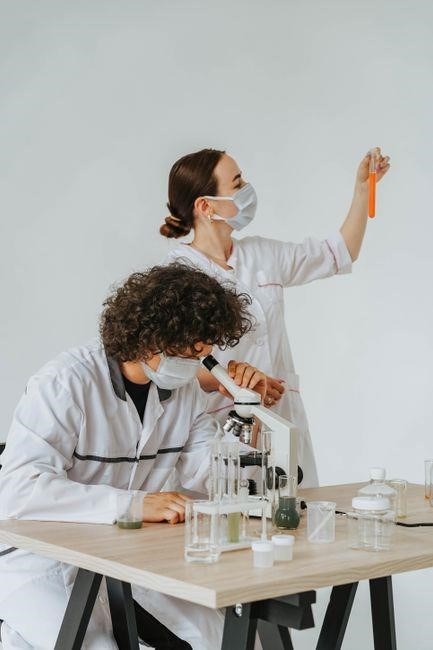
The manual lists essential instruments: beakers, pipettes, microscopes, centrifuges, spectrophotometers incubators and biosafety cabinets. Each device is described with specifications, calibration steps, and safety checks to ensure reliable, reproducible results.
Key Instruments
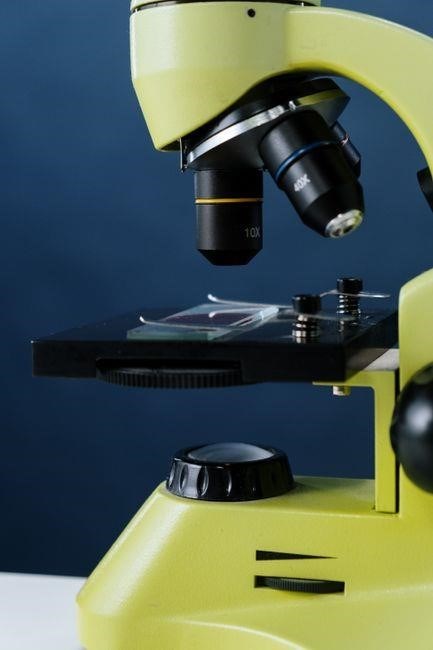
In the CBSE Class 12 Biology Laboratory Manual, the list of key instruments is meticulously organized to support a wide range of experimental protocols. The manual begins with a detailed inventory of basic glassware, including graduated cylinders, volumetric flasks, and Erlenmeyer flasks, each specified with volume ranges and material composition to ensure accurate measurement and minimal contamination. Next, the manual highlights precision pipettes and micropipettes, providing calibration guidelines, recommended tip sizes, and best practices for serial dilutions and reagent handling. Microscopes are described in depth, covering both compound and stereo models, with emphasis on objective lens specifications, illumination types, and image capture options. The spectrophotometer section outlines wavelength ranges, cuvette types, and software integration for absorbance and transmittance measurements, while the centrifuge chapter details rotor capacities, speed ranges, and temperature control for both microcentrifuges and benchtop models. Incubators are covered with temperature stability parameters, humidity control, and CO₂ settings, essential for cell culture and microbial growth experiments. Biosafety cabinets are evaluated for airflow patterns, HEPA filtration efficiency, and user ergonomics, ensuring a safe environment for handling pathogenic samples. Finally, the manual lists additional specialized equipment such as pH meters, digital balances, and autoclaves, each accompanied by operating instructions, maintenance schedules, and troubleshooting tips. This comprehensive overview equips students with the knowledge to select, operate, and maintain laboratory instruments confidently, thereby fostering reproducible and reliable scientific outcomes.
Instrument maintenance is emphasized through a systematic schedule that includes daily cleaning, weekly functional checks, and quarterly calibration against traceable standards. Calibration protocols for pipettes involve a calibrated balance and a series of standard volumes, while spectrophotometers require a zeroing procedure with distilled water and a standard reference solution. The manual also provides a troubleshooting matrix that correlates common instrument errors to corrective actions, ensuring minimal downtime during critical experiments !!!
General Procedures
Begin by reviewing the safety brief, then assemble the required reagents and calibrate all instruments. Label each sample clearly, perform the assay following protocol, record all observations meticulously. Verify data integrity running controls and ensure reproducibility. !!
Sample Handling
Sample handling is a critical phase in any biological experiment. It begins with the acquisition of specimens, ensuring they are collected under sterile conditions to prevent contamination. Each sample is immediately placed in a labeled container, with unique identifiers that include date, time, and source. The containers are stored at appropriate temperatures—refrigerated for most tissues, frozen for long‑term preservation—using calibrated thermometers and monitor to! Prior to analysis, samples undergo a verification step: the label is cross‑checked against the laboratory logbook, and a brief visual inspection confirms integrity. If any discrepancies arise, the sample is flagged and excluded from the run. For liquid specimens, a gentle inversion is performed to homogenize contents without introducing bubbles. Solid tissues are sectioned using a sterile scalpel, and portions are weighed on an analytical balance with a precision of 0.01 g. All instruments are calibrated daily, and a standard curve is generated to validate measurement accuracy. During transfer, pipettes are pre‑warmed to avoid condensation, and tips are changed between samples to avoid cross‑contamination. The entire process is documented in the sample log, noting any deviations from protocol. Finally, after the experiment, samples are processed immediately or stored per the protocol’s requirements, and waste is disposed following institutional biosafety guidelines. This meticulous approach ensures data reliability and reproducibility across all experiments.
Specific Experiments
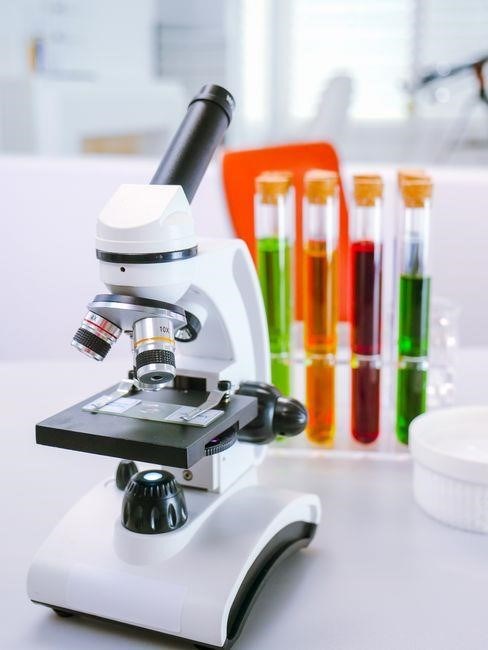
Specific experiments cover cellular respiration, enzyme kinetics, and DNA extraction. Each protocol includes detailed steps, safety checks, and data recording. Students learn to design controls, measure variables, and interpret results accurately. Lab sessions reinforce concepts and analysis!!
Cellular Respiration
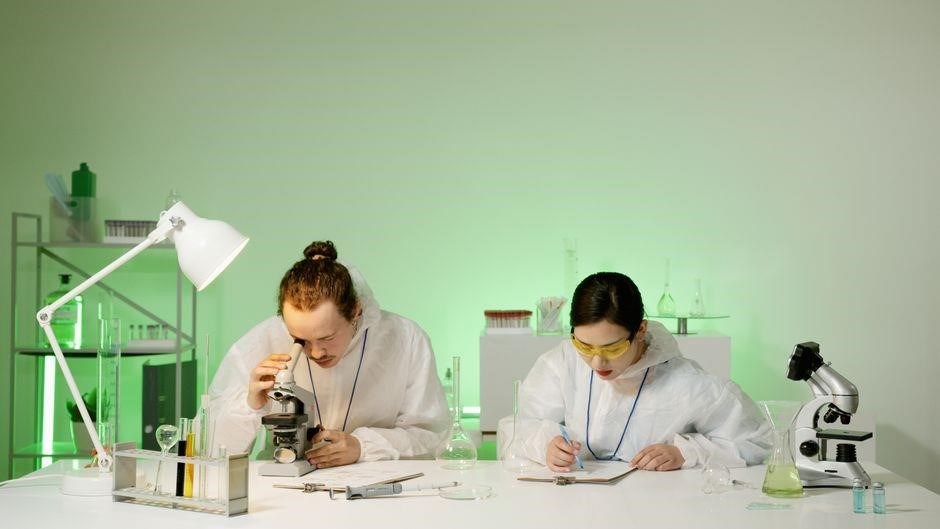
In the cellular respiration module of the CBSE Class 12 Biology Laboratory Manual, students explore the biochemical process by which yeast cells convert glucose into energy, carbon dioxide, and water. The experiment is designed to quantify CO₂ evolution as a direct measure of metabolic activity. Materials required include a 10 mL graduated cylinder, a 5 mL yeast suspension prepared from fresh baker’s yeast, a 2 mL glucose solution at 0.5 M concentration, a calibrated gas syringe, a 37 °C incubator, and standard safety equipment such as gloves, goggles, and a lab coat. The procedure begins with recording the initial CO₂ volume in the syringe, then adding the yeast suspension to the glucose solution, gently swirling to mix, and immediately placing the mixture in the incubator. After a 30‑minute incubation, the CO₂ volume is measured again. Students calculate the change in volume, convert it to moles using the ideal gas law (PV = nRT), and plot a graph of CO₂ volume versus time. This graph illustrates the rate of respiration and its dependence on substrate availability. Data interpretation includes discussing the role of enzymes such as hexokinase and pyruvate kinase, the effect of temperature on reaction kinetics, and the significance of the results in the context of cellular energy production. The manual also emphasizes safety protocols: handling yeast waste responsibly, avoiding aerosol formation, and ensuring the gas syringe is sealed to prevent CO₂ leakage. By completing this experiment, students gain hands‑on experience in experimental design, data collection, and the scientific method, reinforcing core concepts of metabolism and biochemical pathways.
Additionally, students may vary the glucose concentration to observe changes in respiration rate, thereby illustrating the concept of substrate saturation and enzyme kinetics. By comparing results across different concentrations, learners can infer the presence of a Michaelis‑Menten relationship. The manual provides a template for recording observations, calculations, and conclusions, ensuring consistency across different laboratories. The experiment also serves as a foundation for subsequent studies on anaerobic fermentation and the role of mitochondria in eukaryotic cells.
Students also record temperature readings before and after incubation to assess thermal effects on respiration. They note any color changes in the yeast mixture, indicating metabolic by‑products, and discuss how these observations correlate with theoretical predictions from the stoichiometry of glycolysis and the citric acid cycle.
Enzyme Kinetics
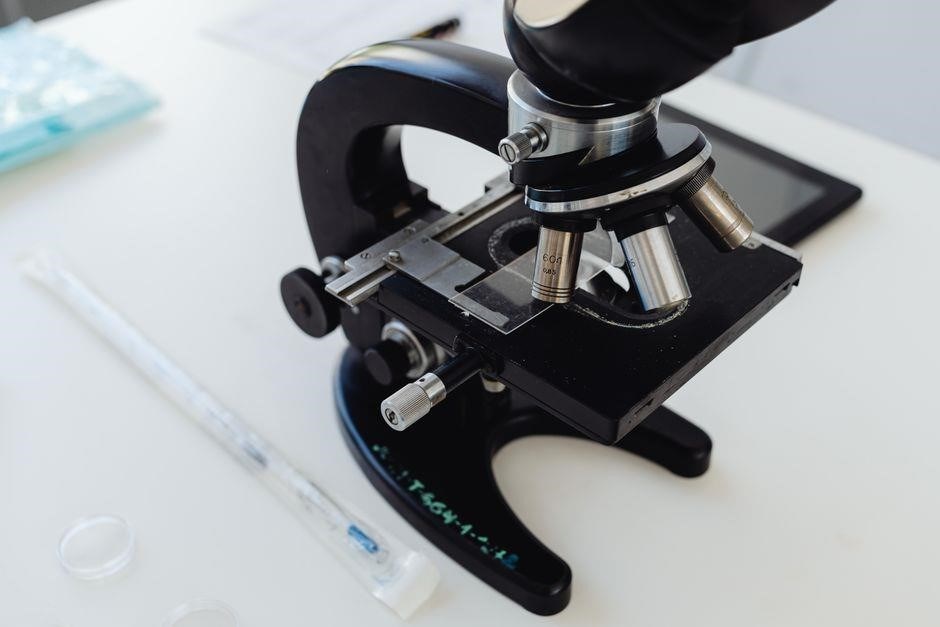
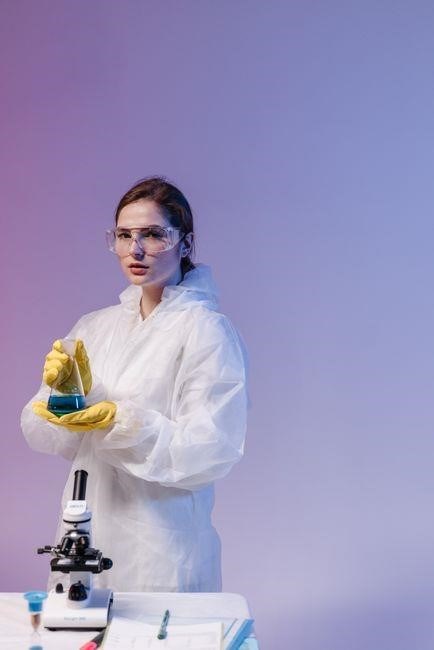
In the enzyme kinetics section of the CBSE Class 12 Biology Laboratory Manual, students investigate the catalytic activity of catalase by measuring the rate of hydrogen peroxide decomposition. The experiment requires a 10 mL graduated cylinder, 0.1 M H₂O₂ solution, a 0.5 g sample of fresh onion epidermis, a 37 °C water bath, a stopwatch, and standard PPE. Students record the initial volume of gas released, add the onion tissue, and start the timer. After 30 seconds, the gas volume is measured again. The change in volume is converted to moles using the ideal gas law, and the reaction rate is calculated as moles per minute. A series of trials with varying H₂O₂ concentrations (0.05, 0.1, 0.2 M) allows students to plot velocity versus substrate concentration, revealing a hyperbolic curve that illustrates the Michaelis–Menten relationship. The manual provides detailed instructions for preparing the onion extract, calibrating the gas syringe, and ensuring accurate timing. Safety guidelines emphasize handling hydrogen peroxide with care, wearing gloves, and disposing of waste in a designated container. Students analyze the data to determine Vmax and Km values, discussing how enzyme concentration, temperature, and pH influence catalytic efficiency. The laboratory exercise reinforces concepts of enzyme saturation, catalytic turnover, and the importance of kinetic parameters in metabolic regulation. By completing this experiment, learners gain practical experience in quantitative analysis, data interpretation, and the application of biochemical principles to real‑world scenarios.
DNA Extraction
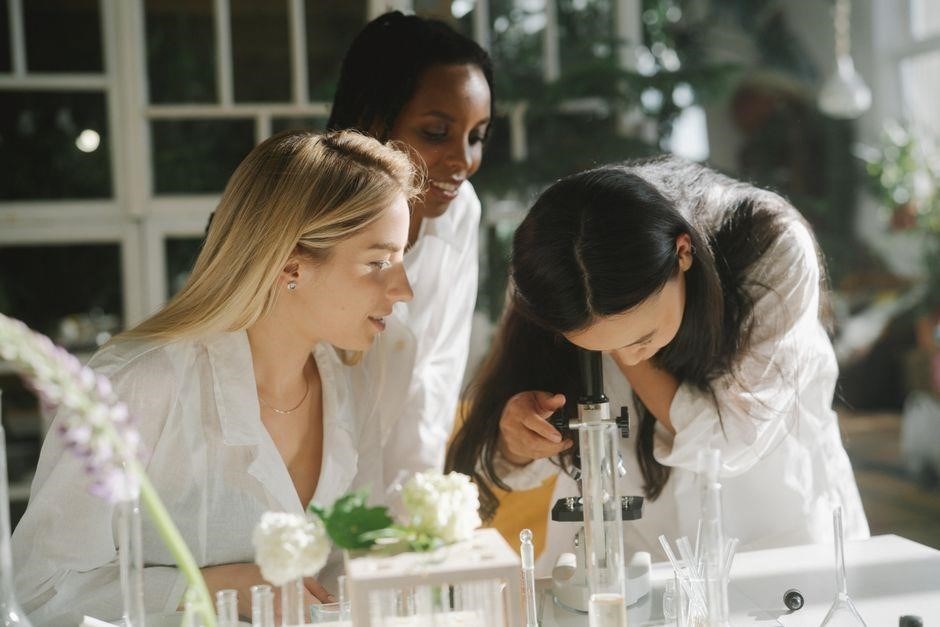
In this module students isolate genomic DNA from fresh onion bulbs using a simple CTAB‑based protocol. The procedure begins with chopping 1 g of epidermal tissue into 1 mm pieces and transferring them to a 15 mL tube. A lysis buffer (2% CTAB, 1.4 M NaCl, 100 mM Tris‑HCl pH 8.0, 20 mM EDTA, 1 % β‑mercaptoethanol) is added, and the mixture is incubated at 60 °C for 30 minutes with gentle inversion every 5 minutes. After cooling, an equal volume of chloroform:isoamyl alcohol (24:1) is mixed, vortexed, and centrifuged at 12,000 g for 10 minutes. The aqueous phase is carefully transferred to a new tube, and DNA is precipitated by adding 0.7 volume of cold isopropanol, followed by incubation on ice for 15 minutes. Centrifugation again at 12,000 g for 10 minutes pellets the DNA, which is washed twice with 70 % ethanol, air‑dried, and resuspended in 50 µL of TE buffer. Students verify yield and purity by measuring absorbance at 260 nm and 280 nm with a spectrophotometer, calculating A260/A280 ratios. The protocol emphasizes meticulous pipetting, avoidance of cross‑contamination, and proper disposal of organic solvents. Students then run the extracted DNA on a 0.8 % agarose gel, staining with ethidium bromide, and visualizing under UV illumination to confirm integrity. This hands‑on activity reinforces concepts of nucleic acid chemistry, buffer composition, and the importance of gentle handling to preserve high‑molecular‑weight DNA for downstream applications such as PCR and restriction digests. Students also learn to assess DNA quality by running a control sample alongside a molecular weight ladder. The ladder provides size markers ranging from 500 bp to 10 kb, allowing students to estimate fragment sizes. Additionally, the manual instructs on troubleshooting common issues such as low yield, high protein contamination, or RNA presence, recommending RNase treatment and additional phenol extraction steps. Ethical considerations regarding the use of plant tissues and proper waste management are highlighted, ensuring compliance with institutional biosafety guidelines. Finally, the lab report requires students to document each step, record observations, and discuss potential sources of error, fostering critical thinking and scientific communication skills. This skill is essential for future research.
Data Analysis & Reporting
Data analysis compiles raw observations, calculates means and SDs, and plots graphs. Students interpret trends, assess significance, and report results in a clear, reproducible format; Reports include abstract, methods, results, discussion, and references. All figures are labeled statistical tests are clear
Recording and Interpretation
Recording and interpretation are the cornerstone of every biology laboratory manual. Students must first record raw data in a structured notebook, noting the date, time, reagent lot, and any deviations from the protocol. Consistent use of units, symbols, and abbreviations ensures that data can be compared across experiments. After data collection, the manual guides students through organizing results into tables, calculating means and standard deviations, and generating appropriate graphs using recommended software. Interpretation requires a systematic approach: identify trends that support the hypothesis, assess outliers, and evaluate potential sources of error such as pipetting inaccuracies or temperature fluctuations. The manual stresses the importance of linking observations to underlying biological mechanisms, encouraging students to ask why a particular result occurs. Drafting concise conclusions that summarize key findings, acknowledge limitations, and propose future work is a critical skill. Throughout the process, emphasis is placed on scientific rigor, reproducibility, and transparent reporting, ensuring that every recorded datum can be independently verified and that interpretations are grounded in evidence rather than speculation. This structured workflow not only reinforces core laboratory skills but also cultivates analytical reasoning essential for advanced biological inquiry. By mastering these skills, students gain confidence to design experiments and contribute to scientific discourse.
Statistical Methods
In the biology laboratory manual, statistical methods are introduced to help students analyze experimental data objectively. The manual first explains descriptive statistics—mean, median, mode, range, and standard deviation—using simple examples from cellular respiration and enzyme kinetics. It then covers inferential techniques such as t‑tests, ANOVA, and chi‑square tests, emphasizing assumptions, degrees of freedom, and significance levels (p < 0.05). Graphical representations (box‑plots, scatter plots, histograms) are recommended to visualize data distribution and detect outliers. Students are taught to use spreadsheet software (Excel, Google Sheets) or statistical packages (R, SPSS) to perform calculations, with step‑by‑step screenshots for clarity. The manual stresses the importance of checking normality (Shapiro‑Wilk test) and homogeneity of variances (Levene’s test) before applying parametric tests. Non‑parametric alternatives (Mann‑Whitney U, Kruskal‑Wallis) are suggested when data violate assumptions. Finally, the manual guides students in interpreting p‑values, confidence intervals, and effect sizes, encouraging critical discussion of results rather than rote acceptance. By mastering these methods, students gain confidence in data analysis and are prepared for advanced research. These statistical tools empower students to test hypotheses, quantify uncertainty, and communicate findings with precision fostering a de appreciation for empirical foundations of biology.science data