
Wiley Blevins: Author Profile
Wiley Blevins is a seasoned literacy educator and author‚ best known for the Phonics From A to Z series. He collaborates with Scholastic Teaching Resources‚ developing research‑based phonics curricula that support early readers worldwide. His approach blends phoneme drills with activities. daily.!
Academic and Professional Background
Wiley Blevins earned a B.A. in English Education from the University of Michigan and an M.Ed. in Literacy Instruction from Columbia University. He holds a National Board Certification in Reading and a state teaching license in Illinois. Over two decades‚ he has taught in diverse K‑12 settings—from urban charter schools to suburban districts—focusing on phonemic awareness and systematic phonics. Blevins’s research has appeared in the Journal of Early Childhood Literacy‚ Reading Research Quarterly‚ and the International Journal of Literacy Studies. He has served as a curriculum consultant for major publishers‚ including Scholastic and William H. Sadlier‚ and currently leads the Phonics From A to Z project‚ collaborating with instructional designers to produce a comprehensive scope and sequence that aligns with Common Core standards. His work emphasizes data‑driven instruction‚ formative assessment‚ and culturally responsive practice. Blevins has authored over 30 peer‑reviewed articles‚ contributed chapters to several instructional handbooks‚ and delivered workshops at national literacy conferences such as the International Literacy Association and the National Reading Conference. His Phonics From A to Z curriculum has been adopted by more than 1‚200 schools across the United States and received the 2024 Outstanding Literacy Resource Award from the National Reading Association. Blevins continues to influence early literacy policy and practice through research‚ professional development‚ and a commitment to evidence‑based teaching.

Overview of Phonics From A to Z
Phonics From A to Z is a systematic‚ research‑based curriculum that guides teachers through phoneme‑level instruction‚ blending drills‚ and decoding practice. It offers scope‚sequence‚ assessment tools aligned with Common Core‚ supporting early readers across grades daily.
Purpose and Target Audience
The Phonics From A to Z scope and sequence PDF is designed to equip teachers‚ tutors‚ and curriculum planners with a clear‚ step‑by‑step framework for teaching foundational phonics skills to beginning readers. Its purpose is to provide a comprehensive‚ research‑based guide that aligns with Common Core and state standards‚ ensuring that instruction is explicit‚ systematic‚ and evidence‑driven. The document outlines the progression of phoneme identification‚ blending‚ and decoding activities from the earliest alphabetic concepts through more complex word‑level strategies. By offering detailed lesson plans‚ assessment checkpoints‚ and instructional resources‚ the PDF supports educators in creating consistent‚ high‑quality phonics instruction that can be adapted to diverse classroom settings‚ including in‑service professional development and individualized tutoring. The target audience includes elementary teachers‚ reading specialists‚ instructional coaches‚ and school administrators who seek a reliable‚ ready‑to‑implement phonics curriculum that can be integrated into existing literacy programs or used as a standalone resource; It also serves parents and home‑schoolers looking for structured guidance to reinforce phonics skills at home. The PDF’s user‑friendly layout‚ clear learning objectives‚ and alignment with national standards make it a valuable tool for anyone responsible for developing or refining early literacy instruction. By following the sequence‚ educators can systematically build students’ phonemic awareness‚ decoding fluency‚ and reading confidence‚ ultimately fostering a strong foundation for academic success across subjects.
Additionally‚ the PDF includes a companion workbook‚ sample lesson scripts‚ and downloadable graphics that enhance engagement. Teachers can track progress through built‑in formative assessment rubrics‚ ensuring timely intervention for struggling readers. The resource is also compatible with digital platforms‚ allowing for interactive activities and data collection. By adopting this scope and sequence‚ schools can streamline curriculum alignment‚ reduce instructional gaps‚ and promote equitable literacy outcomes for all students.
The PDF’s design reflects best practices in phonics instruction‚ emphasizing multisensory approaches‚ contextualized reading‚ and continuous feedback. Its structure supports differentiation‚ enabling teachers to scaffold instruction for diverse learners while maintaining a coherent progression.

Scope and Sequence PDF Structure
The PDF is organized into eight units‚ each with lesson outlines‚ phoneme drills‚ and assessment checkpoints. It offers worksheets‚ audio cues‚ and alignment charts to support teachers in delivering systematic‚ standards‑aligned phonics instruction. Teacher note
Section Breakdown and Layout
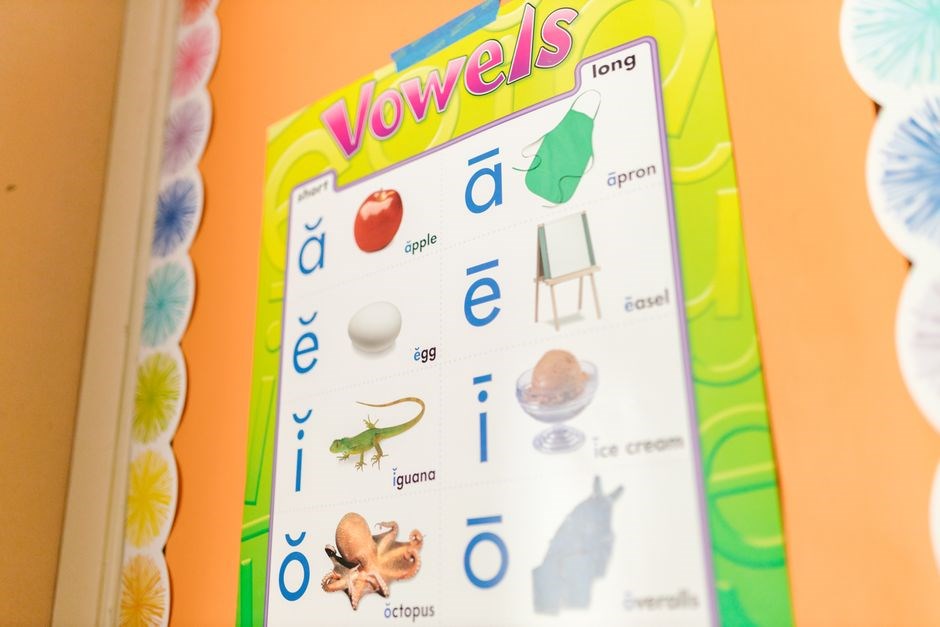
Each of the eight units in the Wiley Blevins Phonics Scope and Sequence PDF is meticulously segmented to guide educators through a progressive phonics journey. Unit 1 introduces the alphabetic principle‚ featuring letter‑sound associations for consonants and short vowels. Unit 2 builds on this foundation by adding digraphs and blending exercises that emphasize minimal pairs. Unit 3 focuses on short vowel clusters and the use of picture‑based phoneme isolation activities. Unit 4 expands to long vowel patterns‚ including the silent‑e rule and vowel teams. Unit 5 addresses consonant blends‚ clusters‚ and the introduction of onset‑rime structures. Unit 6 incorporates multisyllabic words‚ encouraging students to segment and blend more complex phoneme patterns. Unit 7 transitions into word‑level strategies‚ such as decoding strategies for irregular spellings and the use of context clues. Unit 8 culminates with a comprehensive review and assessment module that consolidates all phonics skills. Each unit contains a lesson plan template‚ a set of practice worksheets‚ an audio file for phoneme drills‚ and a formative assessment checklist. The PDF’s layout is designed for quick reference: a front‑page overview‚ a table of contents with page numbers‚ and a color‑coded system that matches each unit to the corresponding Common Core standard. Teachers can print individual units or the entire sequence‚ and the digital version includes hyperlinks for easy navigation. This structure supports both classroom instruction and independent study‚ ensuring that phonics instruction remains consistent‚ measurable‚ and aligned with state expectations.
Additional resources include downloadable teacher notes‚ printable flashcards‚ and a quick‑start guide that summarizes key phonics concepts for rapid implementation.
The PDF also offers a built‑in progress tracker to monitor student growth over the school year. Teachers can also adapt the units to meet diverse learning needs by incorporating multisensory activities and technology tools.
Key Phonics Concepts Covered
The PDF covers phoneme identification‚ blending‚ digraphs‚ long vowel patterns‚ consonant blends‚ onset‑rime structures‚ irregular spelling strategies‚ and Common Core alignment. It offers practice‚ assessments‚ and progress tracking. Students use phonics games and apps. Teachers embed phonics daily!!
Phoneme Identification and Blending
Wiley Blevins’ Phonics From A to Z PDF emphasizes precise phoneme identification through systematic drills that isolate initial‚ medial‚ and final sounds. Students practice segmenting words into individual phonemes using guided listening activities‚ flashcards‚ and digital apps. The curriculum then transitions from simple CVC patterns to complex multisyllabic words‚ reinforcing the link between phoneme awareness and decoding. Assessment checkpoints include oral blending tests‚ written phoneme‑to‑sound matching‚ and interactive quizzes that provide immediate feedback. Teachers receive detailed rubrics and progress‑tracking sheets to monitor mastery and inform targeted interventions. The PDF aligns these activities with Common Core phonological awareness standards‚ ensuring that phoneme identification and blending become foundational skills for reading fluency and comprehension. Teachers can embed multisensory cues‚ such as tapping‚ finger tracing‚ and color‑coded phoneme markers‚ to reinforce auditory discrimination. The PDF provides sample lesson plans that integrate phoneme drills with contextual reading passages‚ ensuring that blending skills transfer to real‑world text decoding. Assessment rubrics include a phoneme‑identification mastery scale and a blending fluency chart‚ allowing educators to set individualized benchmarks and track progress over the school year. Additionally‚ the PDF includes a phoneme‑recognition game module that encourages peer collaboration and reinforces learning through movement and visual aids. Teachers are guided to modify the difficulty level by adding silent letters‚ digraphs‚ and homophones‚ ensuring that students remain challenged while building confidence. End‑of‑unit reviews summarize key phoneme patterns‚ and students complete a reflective journal entry linking phoneme skills to their own reading experiences. These components collectively support a robust‚ evidence‑based phonics instruction framework. Students practice segmentation during reading now!!

Pedagogical Principles in the PDF
Wiley Blevins’ PDF follows explicit‚ systematic instruction‚ integrating multisensory activities and formative assessment. It emphasizes phoneme isolation‚ blending‚ and word‑level practice‚ aligning with Common Core. Teachers receive scaffolded lesson plans and data tracking tools. for all learners.
Explicit Instruction and Practice Opportunities
Wiley Blevins’ Phonics From A to Z PDF is structured to support teachers in delivering phonics instruction. Each unit opens with a concise definition of the target sound or rule‚ followed by a series of guided practice activities that scaffold from teacher‑directed modeling to independent student work. The PDF includes a variety of multisensory exercises—visual cue cards‚ tactile letter‑tracing‚ and auditory discrimination drills—that reinforce the phoneme in context. Teachers receive scripted lesson plans that incorporate timed drills‚ group read‑alouds‚ and individual phoneme‑blending tasks. Assessment checkpoints are embedded after each practice segment‚ allowing educators to capture data on student accuracy and fluency. The resource also supplies optional extension activities for advanced learners‚ such as creating custom word lists or engaging in peer‑teaching sessions. By integrating explicit instruction with ample practice opportunities‚ the PDF ensures that students develop both the knowledge and the confidence to apply phonics skills across reading and writing tasks. The design emphasizes participation‚ feedback‚ and progress monitoring. Each lesson includes a brief reflection prompt for teachers to assess student understanding and adjust pacing. The PDF’s layout is user‑friendly‚ with clear headings‚ color‑coded sections‚ and printable handouts. Additionally‚ the resource offers downloadable audio files for pronunciation practice‚ ensuring that auditory learners receive the same level of support. The inclusion of real‑world text examples helps students transfer phonics skills to authentic reading contexts. Overall‚ the PDF exemplifies best practices in literacy instruction‚ providing a comprehensive‚ research‑based framework that is both practical and adaptable to diverse classroom settings

Alignment with Educational Standards
The PDF maps each phonics unit to Common Core and state benchmarks‚ providing explicit links between sound‑letter relationships and reading proficiency goals. Teachers can trace progress via built‑in assessment rubrics that align with district accountability measures. today.
Common Core and State Standards Mapping
Within the Phonics From A to Z scope and sequence‚ each lesson is paired with specific Common Core State Standards (CCSS) for English Language Arts‚ ensuring that phonemic awareness‚ decoding‚ and word study objectives align. For state alignment‚ the document references the most recent state reading frameworks‚ and the California Common Core State Standards (CCSS) for English Language Arts. Each unit includes a “Standards Alignment” box that highlights the corresponding state standard codes‚ providing teachers with a quick reference for lesson planning and assessment. The mapping also incorporates assessment rubrics that mirror the proficiency levels outlined in the standards‚ allowing educators to track student progress against both Common Core and state benchmarks. By embedding standards mapping directly into the curriculum‚ the PDF supports accountability reporting and helps schools meet district and state literacy goals while delivering a coherent‚ research‑based phonics program. Teachers can use the embedded rubrics to generate formative data‚ which feeds into individualized learning plans and informs instructional adjustments throughout the academic year This data supports continuous improvement aligns for all grades Teachers can use rubrics to generate data‚ which feeds into plans and informs adjustments throughout the year Aligning phonics instruction with Common Core and state standards provides a clear roadmap for teachers to build readers’ phonemic awareness‚ decoding skills‚ ensuring consistent progress grade levels!!

Practical Classroom Implementation
Teachers use the PDF’s lesson plans‚ including daily warm‑ups‚ guided practice‚ and independent activities. Assessment checkpoints align with the scope‚ allowing quick data collection. The guide suggests grouping and technology integration‚ ensuring all students engage with phonics drills and real‑text reading
Lesson Planning and Assessment Strategies

Wiley Blevins’ Phonics Scope and Sequence PDF offers a modular framework that aligns daily lessons with the overarching phonics progression. Each unit begins with a clear objective‚ followed by a scaffolded sequence of activities: a brief phoneme‑identification warm‑up‚ a guided blending drill‚ a cooperative decoding task‚ and an independent writing exercise. The PDF includes a “Check‑In” column for formative assessment‚ where educators record student responses to short oral prompts and written responses; This data feeds into a quick “Progress Tracker” spreadsheet that highlights students who need additional support or enrichment. For summative assessment‚ the guide recommends a weekly “Phonics Portfolio” where students collect samples of decoded words and short sentences‚ allowing teachers to evaluate phoneme‑sound correspondence and blending fluency. The PDF also offers sample rubrics for oral decoding‚ written decoding‚ and reading fluency‚ each scored on a 4‑point scale. These rubrics can be adapted to meet state standards or district benchmarks. Additionally‚ the resource suggests incorporating technology: interactive phoneme games‚ digital flashcards‚ and voice‑recording tools for self‑assessment. By integrating these strategies‚ teachers create a data‑driven‚ student‑centered environment that supports consistent phonics instruction and measurable progress!!
In practice‚ teachers often create a weekly reflection sheet where they note which phoneme clusters were most challenging‚ adjust the next lesson’s focus‚ and share insights with colleagues during professional learning communities. This collaborative approach ensures that instruction remains responsive to student needs and aligns with district literacy goals.

Accessing and Licensing the PDF
Purchase the Phonics Scope and Sequence PDF from Scholastic or the publisher’s website. Licensing options include single‑user‚ district‚ or volume discounts. Digital copies require a valid license key; print copies are non‑transferable. Follow copyright terms for classroom use.
Purchase Options and Copyright Considerations

Purchasing Wiley Blevins’ Phonics Scope and Sequence PDF is straightforward through Scholastic’s official website or authorized distributors. Individual licenses retail for $49.99‚ while district licenses start at $299.99 for 50 users‚ scaling to $499.99 for 100 users‚ with a 10% discount for 200+ copies and an extra 5% for non‑profit schools. Each license includes a unique key that activates the PDF for the designated number of users; digital copies are password‑protected and can be accessed on any device‚ whereas print copies may be produced up to 10 times per license‚ with additional prints requiring a new license. The copyright notice on every page reads “© 2026 Wiley Blevins. All rights reserved.” Reproduction‚ distribution‚ or modification without written permission is prohibited. Classroom use allows display on a single screen or projection‚ but downloading the file for personal use outside the licensed environment is disallowed. Schools wishing to integrate the material into a broader curriculum must obtain a separate curriculum‑integration license‚ covering printed handouts‚ digital platforms‚ and teacher‑created lesson plans. The license agreement specifies that the PDF may not be used for commercial resale or in any product sold to the public. By purchasing through official channels‚ users receive a PDF that is automatically updated via the license key‚ ensuring access to the latest revisions and supplemental materials. All transactions are secured with SSL encryption‚ and payment methods include credit card‚ PayPal‚ and institutional purchase orders. The licensing model balances accessibility for individual educators with the need to protect the intellectual property rights of the author and publisher. PDF is delivered within 24 hours of purchase now.